
How Long Does It Take to Charge an EV at Home?
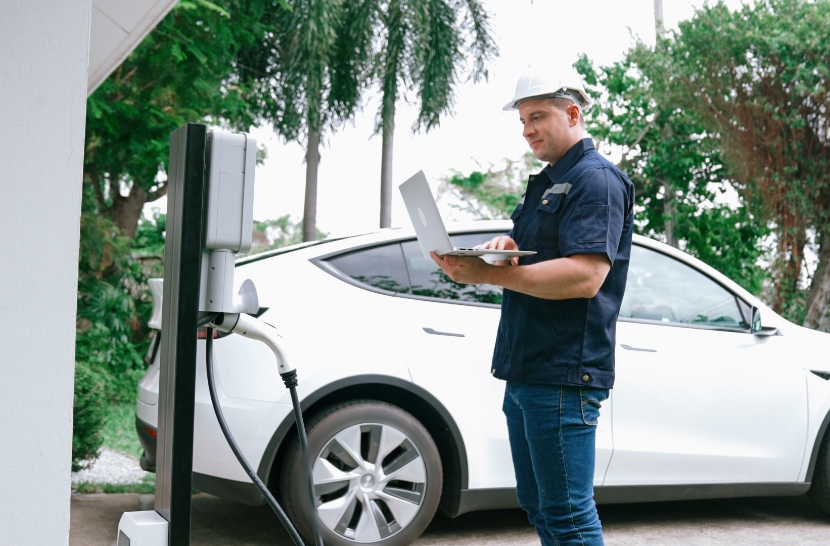
As electric vehicles become more common across Australia, many drivers are wondering how long it takes to charge an EV at home.
The answer depends on several factors including the type of charger, battery size, and electrical supply.
Charging with a Standard Power Point
It is possible to charge an electric vehicle using a regular household power point.
However, this is the slowest charging option available.
Charging from a standard outlet typically provides only a small amount of driving range per hour.
For many EV owners, this method is too slow for everyday use.
Charging with a Dedicated EV Charger
Installing a home EV charger dramatically improves charging speed.
Most residential chargers provide around 7kW of charging power, which allows vehicles to recharge overnight.
For many drivers, plugging in their car when they arrive home ensures it is fully charged by morning.
Faster Charging with Three Phase Power
Homes with three phase power can install higher capacity chargers.
These chargers can significantly reduce charging times depending on the vehicle’s capabilities.
However, not every home has three phase supply available.
Factors That Affect Charging Time
Several factors influence EV charging speed, including:
- Battery size
- Charger output
- Electrical supply
- Charging settings
Because each vehicle is different, charging times can vary.
Why Install a Home EV Charger?
Home EV chargers offer several benefits compared to standard outlets:
- Faster charging speeds
- Improved electrical safety
- Greater reliability
- Convenient overnight charging
Professional installation ensures the charger is correctly connected and protected by the appropriate electrical circuits.
If you’re considering installing an EV charger at home, our team can help.
Learn more about EV charger installations in Penrith, Mulgoa, Lawson, Werrington, Blaxland, Orchard Hills, Glenbrook and nearby areas. Our expert electricians deliver safe, efficient EV charging solutions with reliable installation and quality workmanship.
Contact Expert Electrical Services today to discuss installing a home EV charger.
Recent Blog Posts
-
 What Is the Difference Between a Circuit Breaker and a Safety Switch?
Electrical safety is something most homeowners don’t think about until a problem occurs. When a power outage happens inside your home, you may notice a circuit breaker has tripped or a safety switch has turned off, but many people assume they are the same device. In reality, circuit breakers and safety switches serve completely different […]
Read More -
 What Electrical Work Requires a Licensed Electrician in NSW?
Many homeowners enjoy tackling DIY projects around the house. While painting or carpentry projects can often be done safely, electrical work is very different. In New South Wales, strict laws regulate who can perform electrical work. In most situations, electrical work must be completed by a licensed electrician. Understanding these rules can help protect your […]
Read More -
 Electrical Upgrades That Add Value to Your Home
When most homeowners think about adding value to their property, they often focus on cosmetic improvements like kitchens, bathrooms, or landscaping. While these upgrades certainly help, modern electrical upgrades can also significantly increase a home’s value, safety, and functionality. Buyers today expect homes to support modern technology, appliances, and energy efficiency. If a property has […]
Read More -
 Can Your Switchboard Handle an EV Charger?
Electric vehicles are rapidly becoming more common across Australia. Many homeowners are now installing EV chargers at home for convenient overnight charging. However, before installing an EV charger, it’s important to determine whether your home’s switchboard can handle the additional electrical demand. Why Switchboard Capacity Matters EV chargers draw significantly more power than most household […]
Read More -
 Single Phase vs Three Phase Power for EV Charging
When installing an EV charger at home, one of the most common questions homeowners ask is whether single phase or three phase power is required. Understanding the difference can help you choose the best charging setup for your home. What Is Single Phase Power? Most homes in Australia are connected to single phase electricity. Single […]
Read More