
What Electrical Work Requires a Licensed Electrician in NSW?
Many homeowners enjoy tackling DIY projects around the house. While painting or carpentry projects can often be done safely, electrical work is very different.
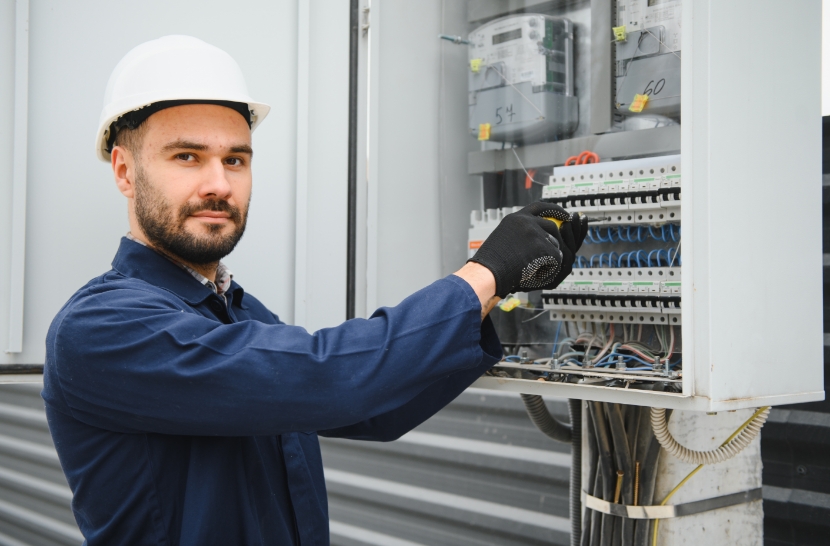
In New South Wales, strict laws regulate who can perform electrical work. In most situations, electrical work must be completed by a licensed electrician.
Understanding these rules can help protect your home, your safety, and your insurance coverage.
Why Electrical Work Is Regulated
Electricity is extremely dangerous when handled incorrectly. Faulty wiring can lead to:
- Electric shock
- Electrical fires
- Damaged appliances
- Power outages
To reduce these risks, electrical work must comply with strict safety standards.
Licensed electricians are trained to install and maintain electrical systems safely while complying with Australian regulations.
Electrical Work That Requires a Licensed Electrician
In NSW, most electrical tasks must be carried out by a licensed electrician.
This includes work such as:
- Installing or replacing power points
- Installing lighting fixtures
- Installing ceiling fans
- Switchboard upgrades
- Running new electrical circuits
- Electrical work during renovations
- Installing EV chargers
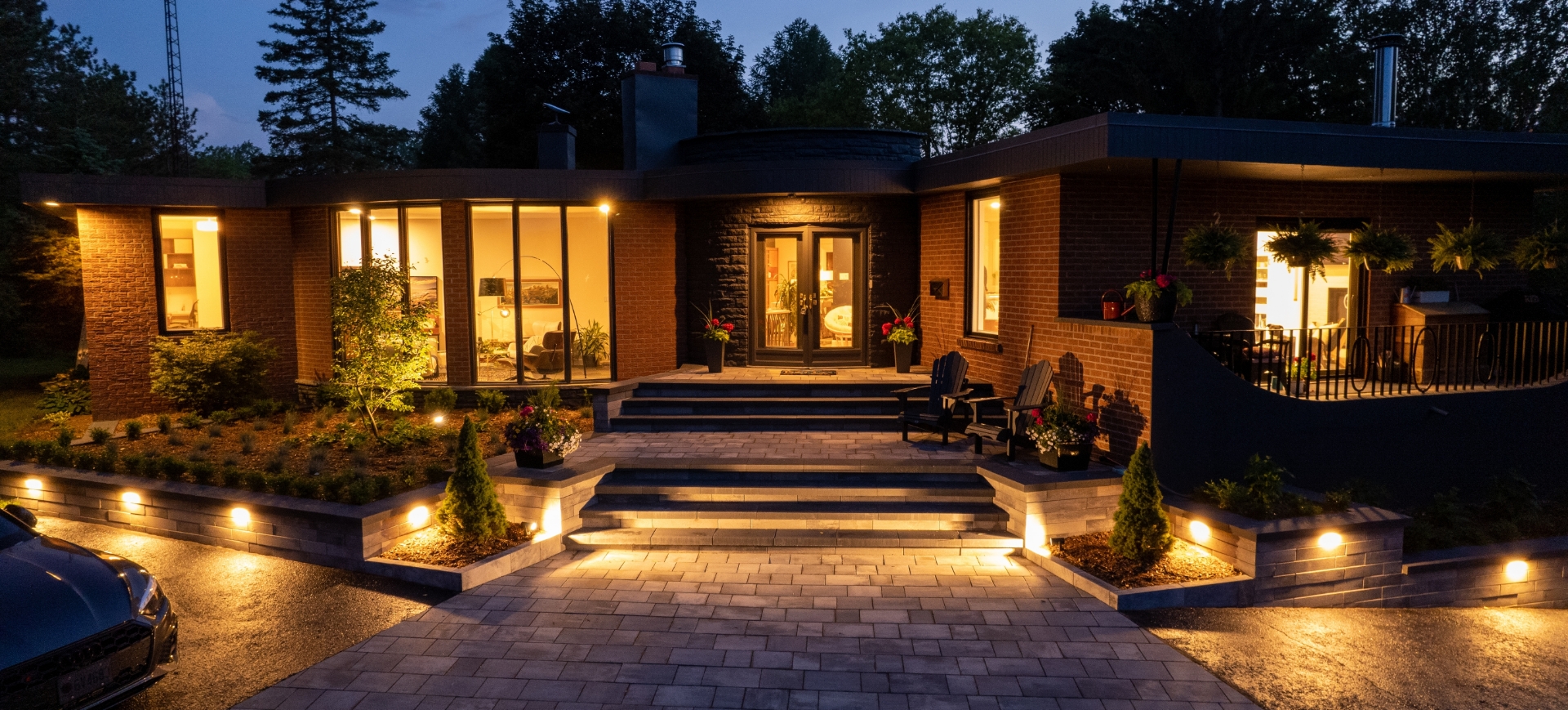
- Outdoor electrical installations
Even tasks that appear simple such as replacing a power point legally require a licensed electrician.
Why DIY Electrical Work Is Dangerous
DIY electrical work can lead to serious safety issues if it is done incorrectly.
Common problems caused by DIY electrical work include:
- Loose connections
- Overloaded circuits
- Incorrect wiring
- Lack of safety protection
These issues may not be immediately obvious but can lead to dangerous electrical faults later.
Improper electrical work may also void insurance policies if it contributes to property damage or fire.
What Homeowners Can Safely Do
While most electrical work must be done by a licensed electrician, homeowners can safely perform a few basic tasks such as:
- Replacing light bulbs
- Resetting tripped circuit breakers
- Testing safety switches
Anything involving wiring or electrical connections should always be left to a professional.
Electrical Work During Renovations
Home renovations often involve significant electrical changes.
This may include:
- Installing additional outlets
- Moving light switches
- Adding new circuits
- Upgrading switchboards
A licensed electrician can ensure these changes are completed safely and meet all regulatory requirements.
Choosing the Right Electrician
When hiring an electrician, it’s important to ensure they are properly licensed and experienced.
Working with a qualified professional ensures that your electrical work is safe and compliant.
At Expert Electrical Services, we provide professional electrical installations, upgrades, and safety inspections for homeowners.
If you need electrical work completed in your home, our experienced team is here to help.
Contact Expert Electrical Services today for safe and professional electrical work.
Recent Blog Posts
-
 What Is the Difference Between a Circuit Breaker and a Safety Switch?
Electrical safety is something most homeowners don’t think about until a problem occurs. When a power outage happens inside your home, you may notice a circuit breaker has tripped or a safety switch has turned off, but many people assume they are the same device. In reality, circuit breakers and safety switches serve completely different […]
Read More -
 Electrical Upgrades That Add Value to Your Home
When most homeowners think about adding value to their property, they often focus on cosmetic improvements like kitchens, bathrooms, or landscaping. While these upgrades certainly help, modern electrical upgrades can also significantly increase a home’s value, safety, and functionality. Buyers today expect homes to support modern technology, appliances, and energy efficiency. If a property has […]
Read More -
 Can Your Switchboard Handle an EV Charger?
Electric vehicles are rapidly becoming more common across Australia. Many homeowners are now installing EV chargers at home for convenient overnight charging. However, before installing an EV charger, it’s important to determine whether your home’s switchboard can handle the additional electrical demand. Why Switchboard Capacity Matters EV chargers draw significantly more power than most household […]
Read More -
 Single Phase vs Three Phase Power for EV Charging
When installing an EV charger at home, one of the most common questions homeowners ask is whether single phase or three phase power is required. Understanding the difference can help you choose the best charging setup for your home. What Is Single Phase Power? Most homes in Australia are connected to single phase electricity. Single […]
Read More -
 How Long Does It Take to Charge an EV at Home?
As electric vehicles become more common across Australia, many drivers are wondering how long it takes to charge an EV at home. The answer depends on several factors including the type of charger, battery size, and electrical supply. Charging with a Standard Power Point It is possible to charge an electric vehicle using a regular […]
Read More