
What Is the Difference Between a Circuit Breaker and a Safety Switch?
Electrical safety is something most homeowners don’t think about until a problem occurs. When a power outage happens inside your home, you may notice a circuit breaker has tripped or a safety switch has turned off, but many people assume they are the same device.
In reality, circuit breakers and safety switches serve completely different purposes, and both are essential parts of a modern electrical system.
Understanding how they work can help you keep your home safer and ensure your electrical system is up to current standards.
What Is a Circuit Breaker?
A circuit breaker is designed to protect your home’s electrical wiring and appliances from damage caused by overloads or short circuits.
Every circuit in your home can only handle a certain amount of electrical current. When that limit is exceeded, the wiring can overheat and potentially cause an electrical fire.
Circuit breakers prevent this by automatically cutting power when a circuit becomes overloaded.
Common causes of circuit breaker trips include:
- Too many appliances running on the same circuit
- Faulty appliances drawing excessive current
- Short circuits in electrical wiring
- Damaged cables or equipment
When a circuit breaker trips, it stops electricity flowing through the circuit until the issue is resolved and the breaker is reset.
While circuit breakers protect your electrical system, they do not necessarily protect people from electric shock.
What Is a Safety Switch?
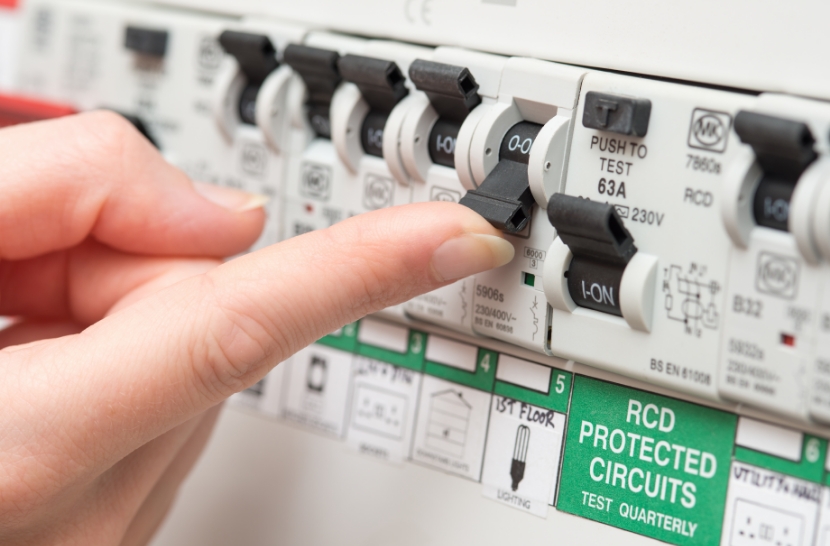
A safety switch (Residual Current Device or RCD) is specifically designed to protect people from electric shock.
It works by constantly monitoring the flow of electricity through a circuit. Under normal conditions, the electricity entering the circuit should equal the electricity leaving it.
If even a small amount of electricity leaks for example through a person to the ground the safety switch detects the imbalance and shuts off the power in milliseconds.
This rapid response dramatically reduces the risk of serious injury or electrocution.
Safety switches are especially important in areas where electricity and water may come into contact, such as:
- Kitchens
- Bathrooms
- Outdoor areas
- Laundry rooms
Because of the protection they provide, safety switches are now a key requirement in modern Australian electrical installations.
Why Homes Need Both Devices
Many people assume that if they have circuit breakers installed, their home is already fully protected. Unfortunately, this is not always the case.
Circuit breakers protect electrical wiring and equipment, while safety switches protect people.
A properly designed switchboard should include both devices working together to provide complete protection.
Older homes may still have outdated switchboards containing ceramic fuses or limited safety switch protection. In these situations, upgrading the switchboard can significantly improve electrical safety.
If your home still has an older style switchboard, it may be worth considering a professional inspection.
Power your property with confidence through professional switchboard upgrades available throughout Melbourne, delivered with precision and care.
Signs Your Switchboard May Be Outdated
Some warning signs that your electrical protection may need upgrading include:
- Ceramic fuses instead of circuit breakers
- No safety switches installed
- Frequent circuit breaker trips
- Limited space for new circuits
- Flickering lights or electrical faults
If you notice any of these issues, it’s best to have a licensed electrician inspect the system.
Modern switchboards are designed to handle the electrical demands of today’s homes, which often include large appliances, home offices, and EV chargers.
Why Professional Installation Matters
Electrical work in Australia must be completed by a licensed electrician to comply with safety regulations.
Attempting to modify your switchboard or install protection devices yourself can be extremely dangerous and may also void insurance coverage.
A licensed electrician can assess your current electrical system and recommend the safest and most reliable upgrades.
Improve the Safety of Your Home
Electrical protection devices play a critical role in keeping your family safe. If you’re unsure whether your home has adequate protection, it’s worth having a professional check your switchboard.
At Expert Electrical Services, we specialise in switchboard upgrades, safety switch installations, and electrical safety inspections for homes across the region.
If you’d like to ensure your home’s electrical system is up to modern standards, contact our team today.
Call the experts today to organise a switchboard inspection or upgrade.
Recent Blog Posts
-
 What Electrical Work Requires a Licensed Electrician in NSW?
Many homeowners enjoy tackling DIY projects around the house. While painting or carpentry projects can often be done safely, electrical work is very different. In New South Wales, strict laws regulate who can perform electrical work. In most situations, electrical work must be completed by a licensed electrician. Understanding these rules can help protect your […]
Read More -
 Electrical Upgrades That Add Value to Your Home
When most homeowners think about adding value to their property, they often focus on cosmetic improvements like kitchens, bathrooms, or landscaping. While these upgrades certainly help, modern electrical upgrades can also significantly increase a home’s value, safety, and functionality. Buyers today expect homes to support modern technology, appliances, and energy efficiency. If a property has […]
Read More -
 Can Your Switchboard Handle an EV Charger?
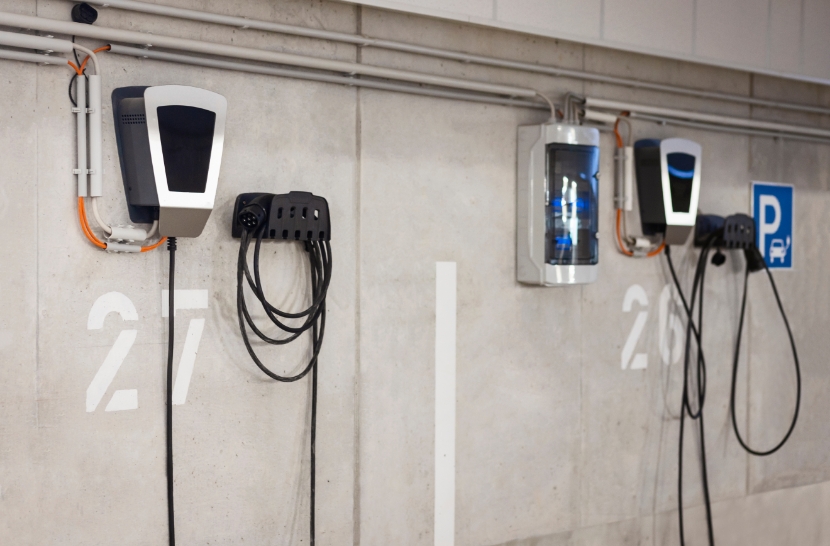
Electric vehicles are rapidly becoming more common across Australia. Many homeowners are now installing EV chargers at home for convenient overnight charging. However, before installing an EV charger, it’s important to determine whether your home’s switchboard can handle the additional electrical demand. Why Switchboard Capacity Matters EV chargers draw significantly more power than most household […]
Read More -
 Single Phase vs Three Phase Power for EV Charging
When installing an EV charger at home, one of the most common questions homeowners ask is whether single phase or three phase power is required. Understanding the difference can help you choose the best charging setup for your home. What Is Single Phase Power? Most homes in Australia are connected to single phase electricity. Single […]
Read More -
 How Long Does It Take to Charge an EV at Home?
As electric vehicles become more common across Australia, many drivers are wondering how long it takes to charge an EV at home. The answer depends on several factors including the type of charger, battery size, and electrical supply. Charging with a Standard Power Point It is possible to charge an electric vehicle using a regular […]
Read More