
Are Safety Switches Legally Required in NSW? Everything You Need to Know
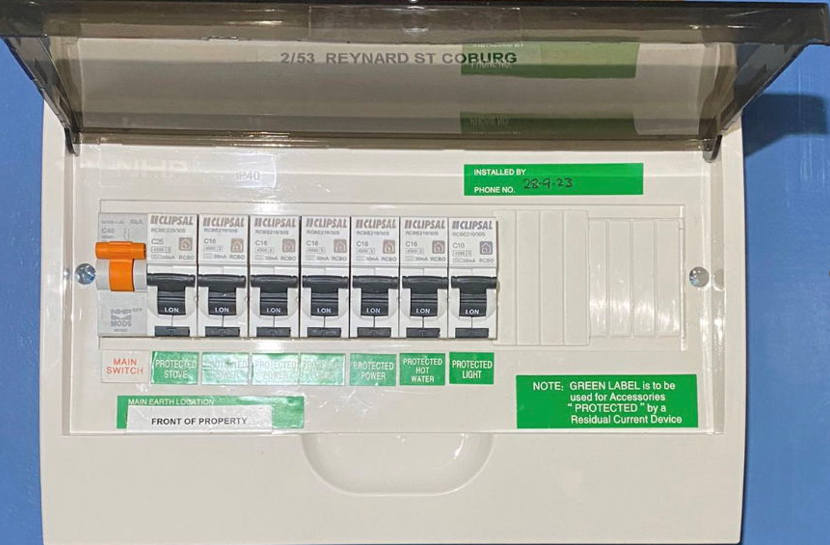
Yes — safety switches are legally required in NSW in many situations, and they are one of the most important electrical safety devices in any Australian home.
Electrical safety isn’t something most people think about until something goes wrong. But when it comes to safety switches — also known as RCDs (Residual Current Devices) or RCBOs — the law in NSW is very clear in many cases.
If you own, rent, renovate, or manage a property in New South Wales, understanding your legal obligations around safety switches isn’t just about compliance — it’s about protecting lives.
In this blog, we’ll cover:
- What safety switches are and how they work
- NSW legal requirements for safety switches
- Differences between RCDs and RCBOs
- Who is responsible (homeowners, landlords, sellers)
- The benefits of installing or upgrading safety switches
- When you should call a licensed electrician
All explained in plain English, with Australian standards in mind.
What Is a Safety Switch?
A safety switch is a device designed to protect people from electric shock.
It works by constantly monitoring the flow of electricity through a circuit. If it detects even a small amount of current leaking to earth — such as through a person — it cuts power in milliseconds.
This rapid disconnection can be the difference between:
- A minor scare
- A serious injury
- Or a fatal electric shock
In Australia, safety switches are commonly referred to as:
- RCDs (Residual Current Devices)
- RCBOs (Residual Current Breakers with Overcurrent protection
RCD vs RCBO: What’s the Difference?
RCD (Safety Switch Only)
- Protects against electric shock
- Requires a separate circuit breaker for overload protection
- Often protects multiple circuits
RCBO (All-in-One Protection)
- Combines safety switch + circuit breaker in one device
- Protects against electric shock and overloads
- Provides better fault isolation
- Reduces nuisance tripping
Modern switchboards in NSW now commonly use RCBOs, as they provide superior protection and easier fault finding.
Are Safety Switches Legally Required in NSW?
Short answer: Yes — in many situations.
NSW regulations are guided by:
- AS/NZS 3000 Wiring Rules
- NSW Fair Trading requirements
- Residential Tenancies legislation
Let’s break it down.
Safety Switch Requirements for NSW Homes
New Homes & Major Electrical Work
In NSW, safety switches are mandatory for:
- New homes
- New circuits
- Major electrical upgrades
- Renovations involving electrical work
All new power and lighting circuits must be protected by RCDs or RCBOs.
Rental Properties in NSW
If you own a rental property in NSW, you are legally required to have:
- At least one safety switch installed
However, modern best practice (and strongly recommended) is:
- Safety switch protection on all circuits
Landlords also have a duty to maintain electrical safety and ensure systems remain compliant and functional.
If you’re unsure about your rental property compliance, a switchboard inspection is essential.
https://expertelectricalservices.com.au/switchboard-upgrades/
Existing Homes (Older Properties)
If you live in an older home, safety switches may not have been required at the time of construction.
However, safety switches are required when:
- Electrical work is carried out
- Circuits are modified or extended
- Switchboards are upgraded
Even when not legally mandated, upgrading is strongly recommended due to the safety benefits.
Who Is Responsible for Safety Switch Compliance?
Homeowners
- Responsible for ensuring electrical work is compliant
- Required to upgrade protection when electrical work is done
Landlords
- Must meet minimum legal safety requirements
- Must maintain electrical safety devices
Sellers
- Must disclose electrical safety issues
- Non-compliant systems can delay or derail sales
Failing to comply can result in:
- Legal liability
- Insurance issues
- Serious injury or worse
Why Safety Switches Are So Important
1. Protection Against Electric Shock
Electricity doesn’t need to “hurt” to be dangerous. As little as 30 milliamps passing through the body can be fatal.
Safety switches are designed to trip before that happens.
2. Protection in Wet Areas
Bathrooms, kitchens, laundries, and outdoor areas are especially dangerous due to moisture.
Safety switches dramatically reduce the risk of electrocution in these environments.
3. Protection for Children & Families
Young children are particularly vulnerable around electricity.
Safety switches provide peace of mind by adding a crucial layer of protection that standard circuit breakers do not.
4. Reduced Fire Risk
While safety switches don’t replace circuit breakers, RCBOs also protect against overloads and short circuits — reducing the chance of electrical fires.
Signs Your Home May Not Have Adequate Safety Switch Protection
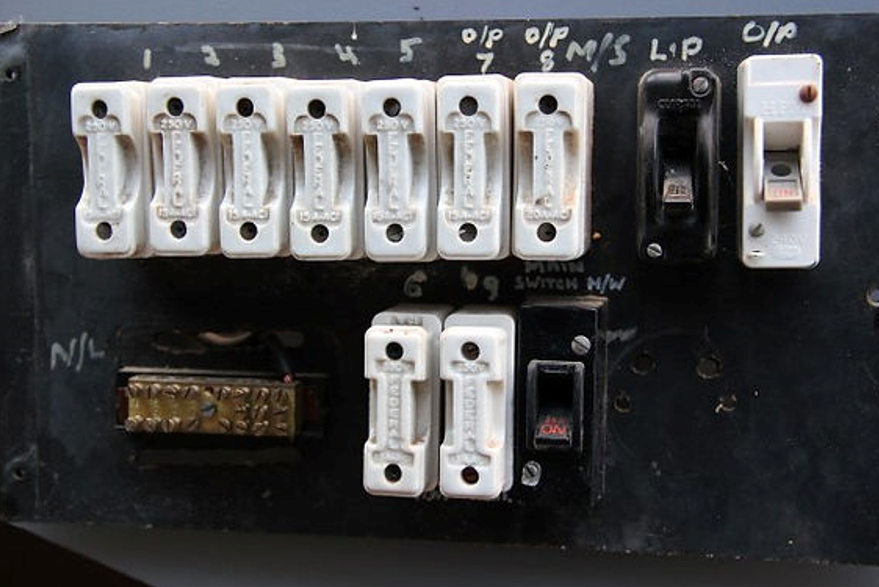
- Old ceramic fuses
- No test buttons marked “T” or “Test”
- Frequent breaker trips
- Partial protection only (not all circuits covered)
- Switchboard older than 20–30 years
If any of these apply, it’s time to have your switchboard assessed.
Learn more about modern switchboard upgrades here:
https://expertelectricalservices.com.au/switchboard-upgrades/
How Often Should Safety Switches Be Tested?
Safety switches should be tested:
- Every 3 months in residential properties
- Immediately if you suspect a fault
Testing is simple:
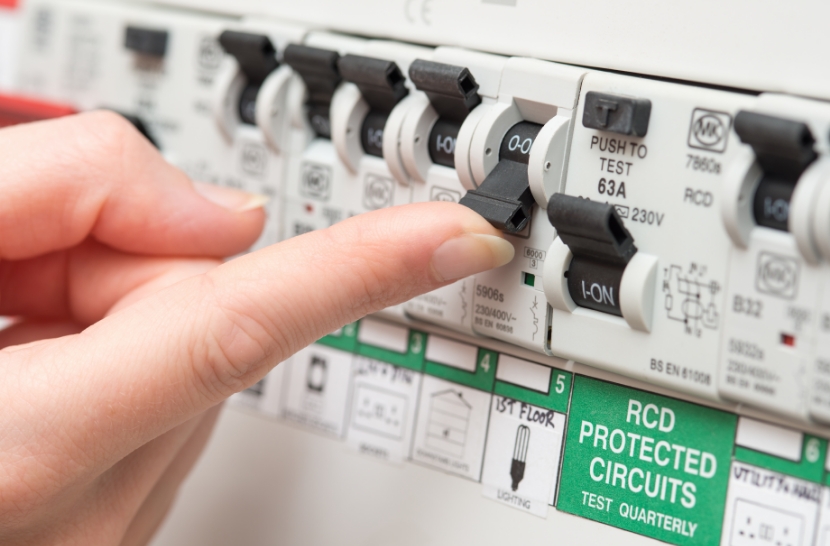
- Press the “Test” button
- Power should immediately shut off
- Reset the switch
If it fails to trip — call an electrician immediately.
Can I Install or Replace a Safety Switch Myself?
No.
In NSW, all electrical work must be performed by a licensed electrician.
DIY electrical work:
- Is illegal
- Is unsafe
- Can void insurance
- Can result in fines or prosecution
Safety switch installation requires:
- Correct testing
- Compliance with AS/NZS standards
- Proper certification
To ensure your property meets all Australian standards, it is vital to hire a fully licensed electrician for all compliance checks.
Why a Switchboard Upgrade Is Often the Best Option
Installing a single safety switch can help — but it’s often not the best long-term solution.
A full switchboard upgrade offers:
- Individual RCBO protection per circuit
- Better fault identification
- Reduced nuisance tripping
- Compliance with modern standards
- Future-proofing for EV chargers and renovations
This is especially important as Australian homes draw more power than ever before.
Common Myths About Safety Switches
❌ “I have circuit breakers, so I’m protected”
➡️ Circuit breakers protect wiring — not people
❌ “My house is old, so I don’t need them”
➡️ Age doesn’t reduce risk — it increases it
❌ “They trip too often”
➡️ Frequent trips usually indicate underlying faults
What Happens If You Don’t Comply?
Ignoring safety switch requirements can lead to:
- Increased electrocution risk
- Fire hazards
- Insurance claim rejections
- Legal liability for landlords and owners
Compliance isn’t just paperwork — it’s protection.
What Should You Do Next?
If you’re unsure whether your home or investment property is compliant:
- Book a switchboard inspection
- Upgrade protection where required
- Test safety switches regularly
Early action is always safer — and cheaper — than waiting for a fault.
Call The Experts
At Expert Electrical Services, we specialise in:
- Safety switch installations
- RCBO upgrades
- Switchboard replacements
- Residential electrical compliance
We provide honest advice, clean workmanship, and fully compliant installations — done right the first time.
From safety switch testing to complete rewiring, our team is the first choice for a reliable residential and commercial electrician in Western Sydney & Blue Mountains.
Book a safety switch or switchboard assessment today.
Recent Blog Posts
-
 What Is the Difference Between a Circuit Breaker and a Safety Switch?
Electrical safety is something most homeowners don’t think about until a problem occurs. When a power outage happens inside your home, you may notice a circuit breaker has tripped or a safety switch has turned off, but many people assume they are the same device. In reality, circuit breakers and safety switches serve completely different […]
Read More -
 What Electrical Work Requires a Licensed Electrician in NSW?
Many homeowners enjoy tackling DIY projects around the house. While painting or carpentry projects can often be done safely, electrical work is very different. In New South Wales, strict laws regulate who can perform electrical work. In most situations, electrical work must be completed by a licensed electrician. Understanding these rules can help protect your […]
Read More -
 Electrical Upgrades That Add Value to Your Home
When most homeowners think about adding value to their property, they often focus on cosmetic improvements like kitchens, bathrooms, or landscaping. While these upgrades certainly help, modern electrical upgrades can also significantly increase a home’s value, safety, and functionality. Buyers today expect homes to support modern technology, appliances, and energy efficiency. If a property has […]
Read More -
 Can Your Switchboard Handle an EV Charger?
Electric vehicles are rapidly becoming more common across Australia. Many homeowners are now installing EV chargers at home for convenient overnight charging. However, before installing an EV charger, it’s important to determine whether your home’s switchboard can handle the additional electrical demand. Why Switchboard Capacity Matters EV chargers draw significantly more power than most household […]
Read More -
 Single Phase vs Three Phase Power for EV Charging
When installing an EV charger at home, one of the most common questions homeowners ask is whether single phase or three phase power is required. Understanding the difference can help you choose the best charging setup for your home. What Is Single Phase Power? Most homes in Australia are connected to single phase electricity. Single […]
Read More