

How to Charge Your EV at Home: Level 1 vs Level 2 Charging
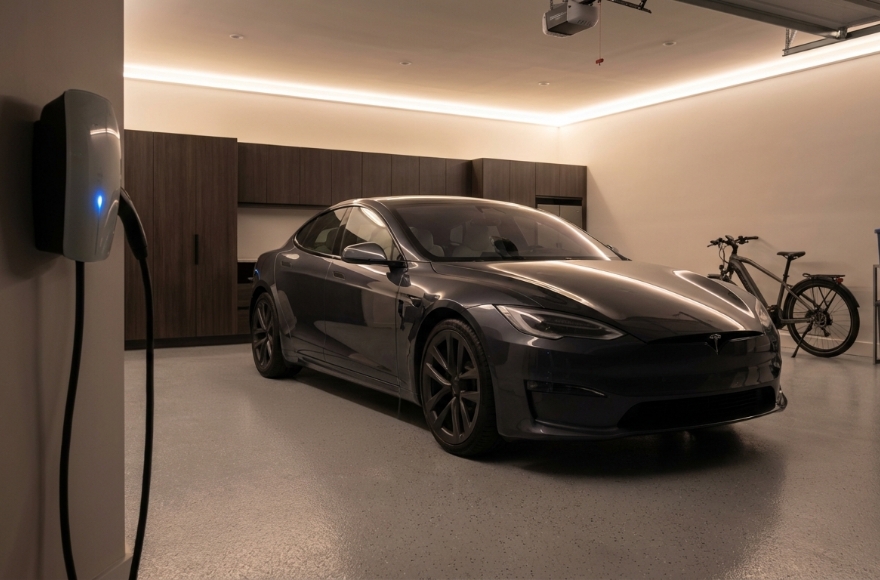
Electric vehicles (EVs) are no longer the future — they’re firmly part of everyday life across Australia. From Teslas and BYDs to Hyundai, Kia, and Polestar, more Aussie households are making the switch to cleaner, quieter, and cheaper-to-run vehicles.
But once you’ve bought the car, the next big question usually hits pretty quickly:
How do I charge my EV at home – and what’s the difference between Level 1 and Level 2 charging?
In this guide, we’ll break it all down in plain English, explain the real-world pros and cons of each option, and show why installing a dedicated EV charger at home is one of the smartest upgrades you can make to your property.
Why Home EV Charging Matters
Public charging infrastructure in Australia is improving, but it’s still not always convenient. Queues, broken chargers, slower speeds, and higher costs can all add friction to EV ownership.
Home charging flips that on its head.
When you charge at home, you get:
- Convenience – plug in overnight and wake up fully charged
- Lower running costs compared to public chargers
- Better battery management and longevity
- Full control over when and how you charge
For most EV owners, home charging becomes the primary way they power their vehicle.
Understanding EV Charging Levels
In Australia, residential EV charging generally falls into two categories:
- Level 1 Charging – Standard power point charging
- Level 2 Charging – Dedicated EV wall charger installation
Let’s unpack each.
Level 1 Charging: Standard Power Point Charging
What Is Level 1 Charging?
Level 1 charging uses a regular 10A or 15A household power point — the same type you’d plug a kettle or toaster into. Most EVs sold in Australia come with a portable charging cable that allows you to plug straight into a standard outlet.
How Fast Is Level 1 Charging?
This is where the biggest limitation shows up.
On average, Level 1 charging provides:
- 8–15 km of range per hour
That means:
- A small daily top-up might take all night
- A full charge could take 24–40+ hours, depending on your EV
Pros of Level 1 Charging
- No upfront installation cost
- Easy to use
- Works in a pinch
Cons of Level 1 Charging
- Very slow charging speeds
- Not ideal for daily drivers
- Can overload old or poorly wired power points
- Higher risk of overheating without proper electrical checks
Important: Many Australian homes were not designed for sustained high loads on general power points. Long-term EV charging from a standard outlet can lead to damaged sockets, tripped breakers, or worse.
If you’re relying on Level 1 charging, it’s worth having a licensed electrician inspect your circuit first.
Level 2 Charging: Dedicated EV Home Charger
What Is Level 2 Charging?
Level 2 charging uses a dedicated EV charger (often wall-mounted) installed by a licensed electrician. These chargers run on higher-capacity circuits and are designed specifically for EV use.
In Australia, most Level 2 home chargers operate at:
- 7kW (single-phase)
- 11kW or 22kW (three-phase, where available)
How Fast Is Level 2 Charging?
This is where the game changes.
Typical charging speeds:
- 7kW charger: 35–45 km of range per hour
- 11kW+ charger: Even faster, depending on vehicle capability
In real terms:
- Most EVs can fully charge overnight
- Daily driving needs are often replenished in just a few hours
Pros of Level 2 Charging
- Much faster charging
- Designed for continuous EV loads
- Safer and more reliable
- Smart features like scheduling and monitoring
- Adds value to your home
Cons of Level 2 Charging
- Upfront installation cost
- May require switchboard upgrades in older homes
Level 1 vs Level 2: Quick Comparison
| Feature | Level 1 Charging | Level 2 Charging |
| Power Source | Standard power point | Dedicated EV charger |
| Charging Speed | Very slow | Fast |
| Safety | Variable | High |
| Best For | Occasional use | Daily EV owners |
| Installation | None | Professional installation required |
Benefits of Installing an EV Charger at Home
1. Save Time Every Single Day
No more detours to public chargers or waiting around. Plug in when you get home and you’re done.
2. Lower Charging Costs
Charging at home — especially during off-peak electricity rates — is often significantly cheaper than public fast chargers.
3. Improved Electrical Safety
A professionally installed EV charger includes:
- Dedicated circuit protection
- Correct cable sizing
- RCD and overload protection
This drastically reduces the risk of electrical faults compared to standard outlets.
4. Smarter Charging Options
Many modern chargers allow you to:
- Schedule charging overnight
- Monitor energy usage
- Integrate with solar systems
- Future-proof for energy tariffs
5. Boost Property Value
EV-ready homes are becoming more desirable. A professionally installed charger is an attractive feature for future buyers.
Do You Need a Switchboard Upgrade?
Many Australian homes — especially older ones — may need upgrades before installing an EV charger.
Common requirements include:
- Spare circuit capacity
- Modern safety switches (RCDs)
- Adequate supply from the mains
If you’re unsure, our team can assess your setup and advise honestly. Learn more about switchboard upgrades here: https://expertelectricalservices.com.au/switchboard-upgrades/
Why Professional Installation Matters in Australia
EV charger installations in NSW and across Australia must comply with AS/NZS electrical standards. This isn’t a DIY job.
A licensed electrician ensures:
- Compliance with Australian Standards
- Manufacturer warranty protection
- Insurance validity
- Long-term safety and performance
At Expert Electrical Services, we install EV chargers the right way — safely, cleanly, and future-ready.
Choosing the Right EV Charger
Not all chargers are created equal. The right choice depends on:
- Your vehicle
- Your daily driving distance
- Single-phase vs three-phase supply
- Solar integration
- Budget and future needs
We help our clients choose chargers that make sense — not just what’s trendy.
If you’re also planning other upgrades, such as power upgrades or electrical renovations, we can coordinate everything together:
https://expertelectricalservices.com.au/electrical-renovations/
Level 1 or Level 2: Which Is Right for You?
Ask yourself:
- Do I drive daily?
- Do I want my car fully charged every morning?
- Do I plan to own an EV long-term?
If you answered yes to any of these, Level 2 charging is almost always the better option.
Level 1 charging might work short-term, but most EV owners eventually upgrade once the inconvenience sets in.
Ready to Install an EV Charger at Home?
If you’re serious about EV ownership, a home charger isn’t a luxury — it’s a necessity.
At Expert Electrical Services, we provide:
- Honest advice tailored to your home’s capacity
- Professional EV charger installations for all vehicle types
- Fully compliant Australian-standard work for total peace of mind
- Clean, tidy, and reliable service from start to finish
today to book an and ensure your home is ready for the switch.
Contact us today to book an EV charger assessment and ensure your property is future-ready. From safety switch testing to complete rewiring, our team is the first choice for a reliable residential and commercial electrician in Western Sydney & Blue Mountains.
Recent Blog Posts
-
 What Is the Difference Between a Circuit Breaker and a Safety Switch?
Electrical safety is something most homeowners don’t think about until a problem occurs. When a power outage happens inside your home, you may notice a circuit breaker has tripped or a safety switch has turned off, but many people assume they are the same device. In reality, circuit breakers and safety switches serve completely different […]
Read More -
 What Electrical Work Requires a Licensed Electrician in NSW?
Many homeowners enjoy tackling DIY projects around the house. While painting or carpentry projects can often be done safely, electrical work is very different. In New South Wales, strict laws regulate who can perform electrical work. In most situations, electrical work must be completed by a licensed electrician. Understanding these rules can help protect your […]
Read More -
 Electrical Upgrades That Add Value to Your Home
When most homeowners think about adding value to their property, they often focus on cosmetic improvements like kitchens, bathrooms, or landscaping. While these upgrades certainly help, modern electrical upgrades can also significantly increase a home’s value, safety, and functionality. Buyers today expect homes to support modern technology, appliances, and energy efficiency. If a property has […]
Read More -
 Can Your Switchboard Handle an EV Charger?
Electric vehicles are rapidly becoming more common across Australia. Many homeowners are now installing EV chargers at home for convenient overnight charging. However, before installing an EV charger, it’s important to determine whether your home’s switchboard can handle the additional electrical demand. Why Switchboard Capacity Matters EV chargers draw significantly more power than most household […]
Read More -
 Single Phase vs Three Phase Power for EV Charging
When installing an EV charger at home, one of the most common questions homeowners ask is whether single phase or three phase power is required. Understanding the difference can help you choose the best charging setup for your home. What Is Single Phase Power? Most homes in Australia are connected to single phase electricity. Single […]
Read More