
Electrical Things to Consider When Renovating Your Kitchen
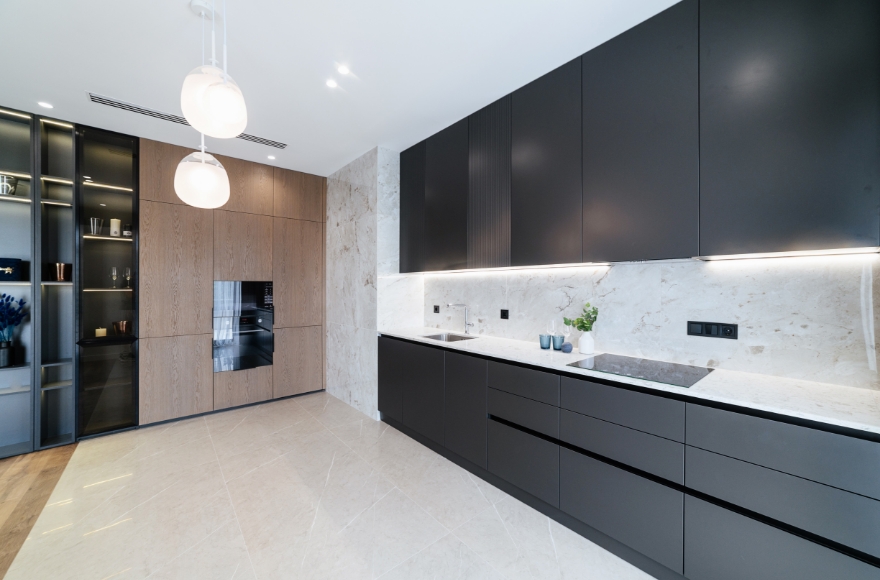
A kitchen renovation is one of the most exciting home upgrades you can undertake. It can dramatically improve the functionality, appearance, and value of your home.
However, one of the most commonly overlooked aspects of kitchen renovations is electrical planning.
Modern kitchens rely heavily on electrical appliances, lighting, and technology. Without careful planning, you may end up with insufficient power points, poor lighting, or electrical systems that struggle to keep up with demand.
If you’re planning a kitchen renovation, here are the key electrical factors you should consider.
Plan Your Power Points Carefully
Older kitchens were built at a time when households used far fewer electrical appliances.
Today, kitchens commonly include:
- Refrigerators
- Microwaves
- Dishwashers
- Coffee machines
- Air fryers
- Toasters
- Blenders
- Phone chargers
Because of this, modern kitchens require far more power points than older designs allowed for.
During a renovation, it’s the perfect opportunity to install additional outlets in convenient locations. Power points placed along benchtops, kitchen islands, and appliance areas can significantly improve usability.
If you’re planning additional power points, our team can help design a layout that suits your kitchen design and electrical requirements.
Learn more about our electrical services from expert electricians in Penrith, Mulgoa, Lawson, Werrington, Blaxland and nearby areas. We provide reliable installations, fast repairs, and maintenance with prompt service and quality workmanship you can trust
Dedicated Circuits for Large Appliances
Many kitchen appliances draw a significant amount of electricity.
Ovens, induction cooktops, and dishwashers often require dedicated electrical circuits to operate safely.
Without dedicated circuits, these appliances may overload existing circuits, causing frequent breaker trips or electrical faults.
During a renovation, an electrician can assess your current switchboard and determine whether additional circuits are required.
In some cases, as witchboard upgrade may also be recommended to support the new electrical load.
Kitchen Lighting Design
Lighting plays a major role in both the functionality and appearance of your kitchen.
A well-designed kitchen lighting plan may include:
- LED downlights for general lighting
- Under-cabinet lighting for food preparation
- Feature lighting above islands or dining areas
Layered lighting not only improves visibility but also enhances the overall atmosphere of the space.
LED lighting is particularly popular due to its energy efficiency and long lifespan.
Safety Switch Protection
Because kitchens involve water, appliances, and electrical outlets, proper safety protection is essential.
Modern electrical standards require circuits to be protected by safety switches to reduce the risk of electric shock.
If your home has an older switchboard without safety switch protection, upgrading the switchboard during your renovation can improve both safety and reliability.
Future-Proof Your Kitchen
A kitchen renovation is a long-term investment, so it’s worth planning for future electrical needs.
Some homeowners choose to install additional circuits or outlets in case new appliances are added later.
Planning ahead can help avoid costly electrical modifications in the future.
Work With a Licensed Electrician
Electrical work in NSW must be carried out by a licensed electrician to ensure compliance with Australian safety standards.
Working with a professional electrician during the planning stage of your renovation ensures that your kitchen is both functional and safe.
At Expert Electrical Services, we regularly work with homeowners and builders to plan electrical systems for kitchen renovations.
If you’re planning a renovation and want to ensure your electrical layout is designed correctly from the start, our team can help.
Contact us today to discuss your kitchen renovation electrical requirements.
Recent Blog Posts
-
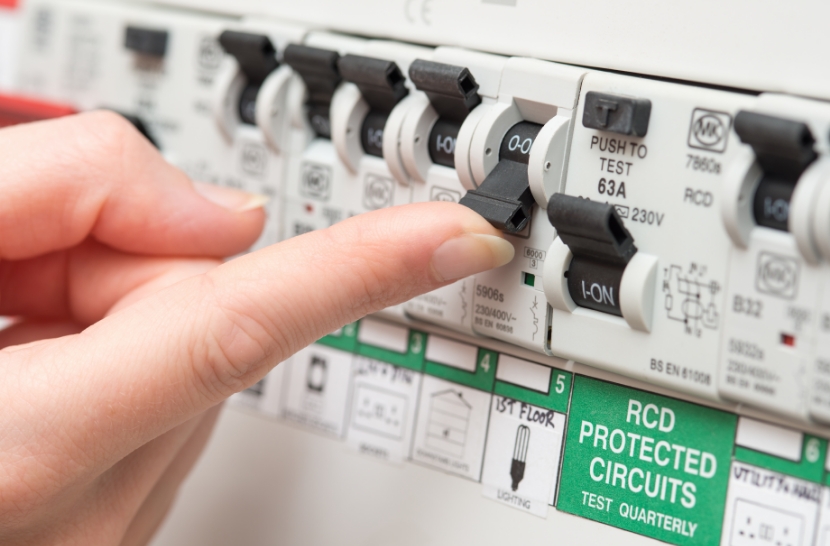 What Is the Difference Between a Circuit Breaker and a Safety Switch?
Electrical safety is something most homeowners don’t think about until a problem occurs. When a power outage happens inside your home, you may notice a circuit breaker has tripped or a safety switch has turned off, but many people assume they are the same device. In reality, circuit breakers and safety switches serve completely different […]
Read More -
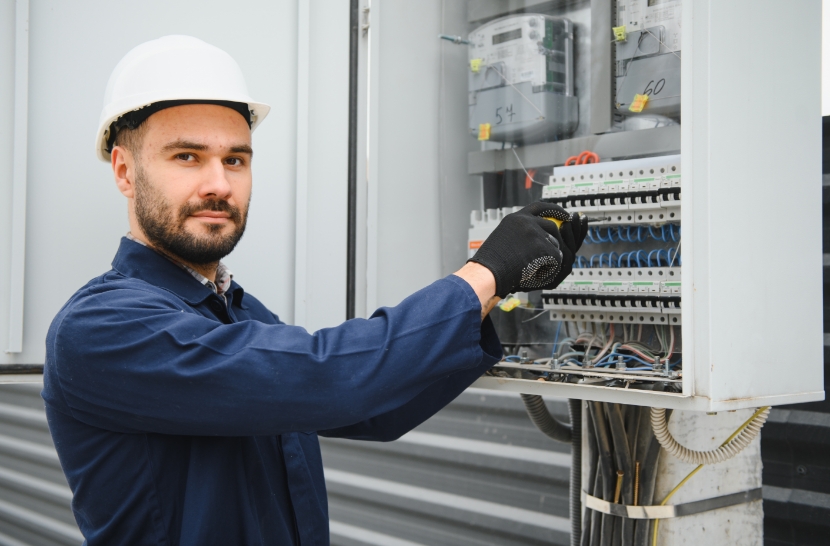 What Electrical Work Requires a Licensed Electrician in NSW?
Many homeowners enjoy tackling DIY projects around the house. While painting or carpentry projects can often be done safely, electrical work is very different. In New South Wales, strict laws regulate who can perform electrical work. In most situations, electrical work must be completed by a licensed electrician. Understanding these rules can help protect your […]
Read More -
 Electrical Upgrades That Add Value to Your Home
When most homeowners think about adding value to their property, they often focus on cosmetic improvements like kitchens, bathrooms, or landscaping. While these upgrades certainly help, modern electrical upgrades can also significantly increase a home’s value, safety, and functionality. Buyers today expect homes to support modern technology, appliances, and energy efficiency. If a property has […]
Read More -
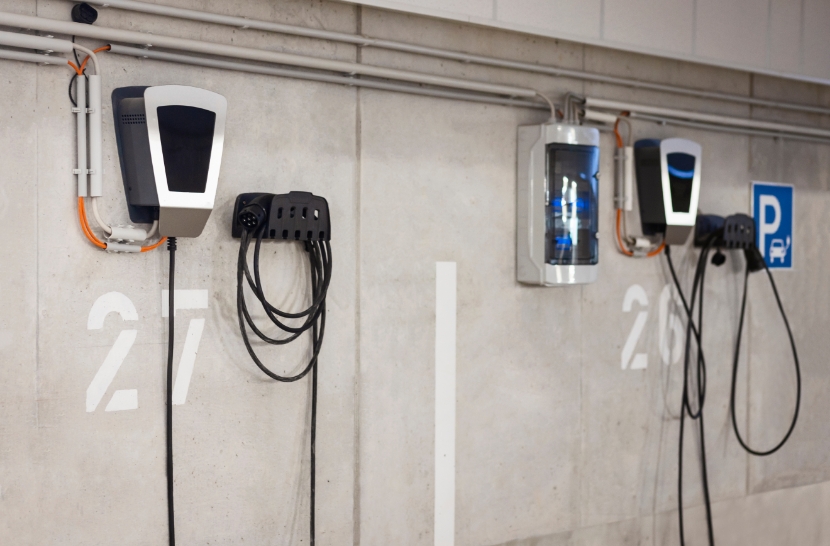 Can Your Switchboard Handle an EV Charger?
Electric vehicles are rapidly becoming more common across Australia. Many homeowners are now installing EV chargers at home for convenient overnight charging. However, before installing an EV charger, it’s important to determine whether your home’s switchboard can handle the additional electrical demand. Why Switchboard Capacity Matters EV chargers draw significantly more power than most household […]
Read More -
 Single Phase vs Three Phase Power for EV Charging
When installing an EV charger at home, one of the most common questions homeowners ask is whether single phase or three phase power is required. Understanding the difference can help you choose the best charging setup for your home. What Is Single Phase Power? Most homes in Australia are connected to single phase electricity. Single […]
Read More